
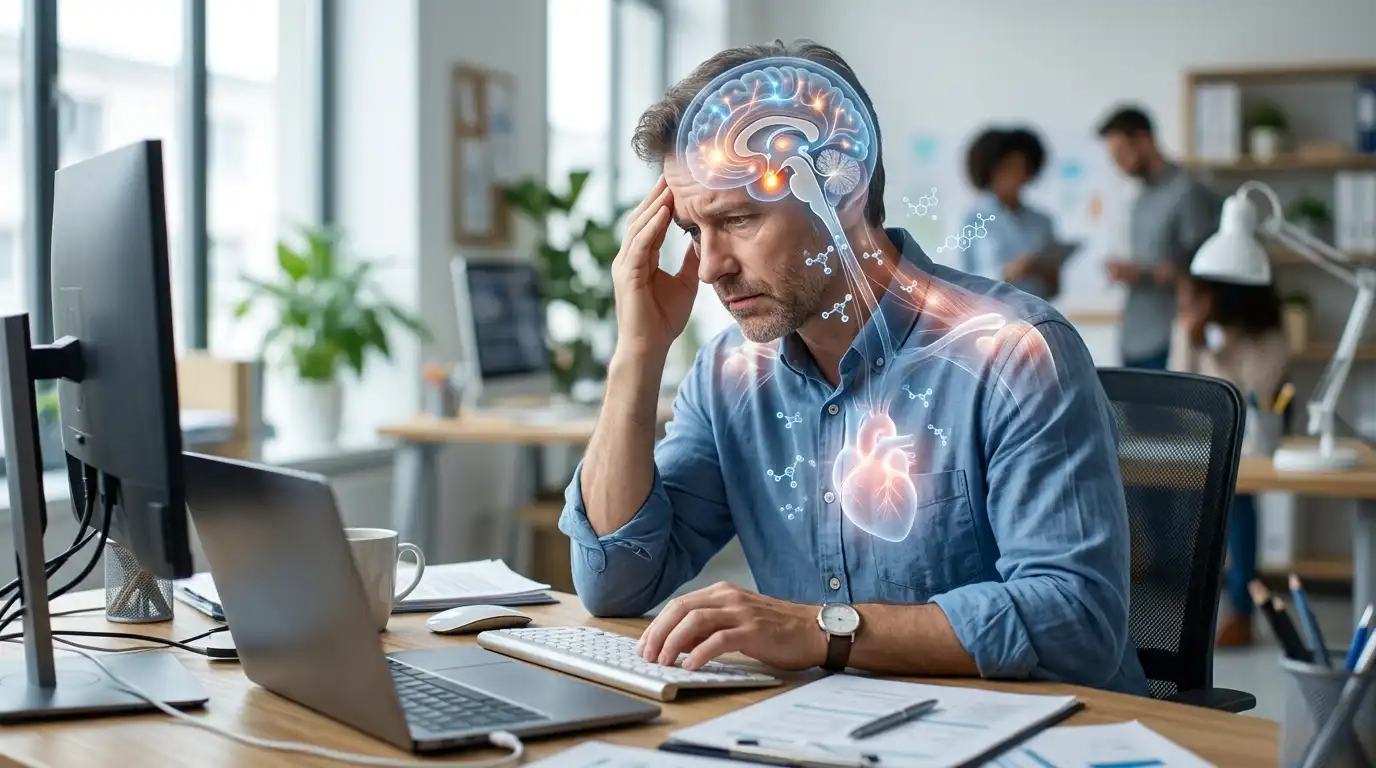
Stress affects mental health by influencing the way the brain and body respond to challenges. While short-term stress is a normal part of life, ongoing stress can affect emotions, thinking, sleep, relationships, and daily functioning, and it may increase the risk of developing or worsening certain mental health conditions.
Stress is a natural response that helps the body react to demanding or potentially threatening situations. In small amounts, it can improve focus, motivation, and problem-solving. However, when stress becomes frequent or long-lasting, it can place a significant burden on both physical and mental well-being. Understanding how stress affects mental health is an important step toward recognizing when stress is becoming more than a temporary challenge.
Mental health includes emotional, psychological, and social well-being. It shapes how people think, feel, make decisions, and interact with others throughout daily life. If you are unfamiliar with the broader concept, our guide on what is mental health explains how mental health influences overall health and quality of life.
The effects of stress are not the same for everyone. A demanding job, financial concerns, caregiving responsibilities, major life changes, illness, or relationship difficulties may affect individuals differently depending on their past experiences, coping skills, physical health, and available support. Some people recover quickly after a stressful event, while others may continue experiencing emotional or cognitive difficulties long after the stressor has passed.
Persistent stress does not automatically lead to a mental health disorder, but it can make existing symptoms more difficult to manage and may increase vulnerability to conditions such as anxiety or depression in some individuals. Recognizing these changes early allows people to adopt healthier coping strategies and seek support before stress begins to interfere with everyday life.

What happens to your mind when you’re under stress?
Stress affects mental health by activating the body’s stress response, often called the fight-or-flight response. This response prepares a person to deal with a challenge by releasing hormones such as cortisol and adrenaline. While this reaction is helpful during short-term situations, repeated or prolonged activation can affect how the brain regulates emotions, attention, memory, and decision-making.
When the brain detects a stressful event, the hypothalamus signals the adrenal glands to release stress hormones. These hormones temporarily increase alertness, heart rate, and energy so the body can respond quickly. Once the stressful situation passes, hormone levels normally return to baseline, and the body begins to recover. Problems can develop when stress becomes continuous, and the stress response remains active for extended periods.
Long-term exposure to elevated stress hormones may affect areas of the brain involved in emotional regulation and thinking. For example, the amygdala, which helps process emotions such as fear, can become more reactive, making everyday situations feel more overwhelming. At the same time, the prefrontal cortex, which supports planning, attention, and impulse control, may not function as efficiently. This combination can make it harder to stay calm, think clearly, or respond thoughtfully during stressful situations.
Chronic stress may also influence the hippocampus, a brain region involved in learning and memory. Some people notice they become more forgetful, have difficulty concentrating, or struggle to process new information when they have been under prolonged stress. These cognitive changes are common responses to ongoing stress and do not necessarily mean permanent damage has occurred.
The National Institute of Mental Health (NIMH) explains that stress is a normal biological response, but persistent stress can affect both mental and physical health over time. Understanding this brain-body connection helps explain why stress can influence mood, sleep, relationships, productivity, and overall well-being, even when the source of stress seems unrelated to mental health.
How stress affects mental health over time
Stress becomes more harmful when it continues for weeks or months without enough time for recovery. Instead of returning to a balanced state after a challenge, the brain and body remain on high alert. This prolonged stress response can gradually affect emotional well-being, thinking patterns, behaviour, and daily functioning, even if the original stressor has not changed.
One of the earliest changes many people notice is a shift in mood. Ongoing stress can make it harder to regulate emotions, causing small frustrations to feel much larger than they normally would. People may become more irritable, impatient, or emotionally overwhelmed. Others may lose interest in activities they once enjoyed or find it difficult to relax, even during quiet moments.
Stress can also interfere with healthy routines that support mental health. Sleep may become lighter or more disrupted, making it difficult to fall asleep or stay asleep. Poor sleep can then increase fatigue, reduce concentration, and make emotional reactions feel more intense, creating a cycle that reinforces stress rather than relieving it.
Daily responsibilities may begin to feel increasingly difficult as stress continues. Work or school performance can decline because maintaining attention and making decisions require more mental effort. Relationships may also be affected if a person becomes withdrawn, easily frustrated, or less able to communicate effectively with family, friends, or colleagues.
Over time, some individuals develop unhealthy coping behaviours in an attempt to manage persistent stress. These may include avoiding responsibilities, isolating themselves from others, overeating, drinking alcohol more frequently, or relying on other substances. While these behaviours may provide temporary relief, they often fail to address the underlying source of stress and can contribute to additional physical and mental health challenges.
Emotional and psychological changes
Persistent stress often affects emotions before other symptoms become obvious. People may feel constantly worried, restless, frustrated, or emotionally exhausted. Everyday setbacks that once seemed manageable can begin to feel overwhelming, and recovering from disappointment or conflict may take longer than usual.
Stress may also reduce motivation and enjoyment. Hobbies, social activities, or personal goals can become less appealing as emotional energy declines. Some individuals describe feeling emotionally “drained” or detached, while others experience frequent mood swings or become unusually sensitive to criticism.
These emotional changes do not necessarily indicate a mental health disorder. However, if they persist, become more severe, or interfere with work, school, relationships, or self-care, they may signal that stress is affecting mental health more significantly and that additional support could be beneficial.
Changes in thinking and concentration
Long-term stress can affect several cognitive functions, including attention, memory, and decision-making. Many people find it harder to focus on conversations, complete tasks efficiently, or remember important details. They may also become more easily distracted or struggle to organise their thoughts.
Mental fatigue is another common effect. Even routine decisions can feel mentally demanding, leading to procrastination or difficulty solving problems. This can reduce confidence and increase frustration, especially when work, caregiving, or other responsibilities continue to build.
Experiencing occasional forgetfulness or difficulty concentrating during stressful periods is common. However, when these cognitive changes continue long after the stress has eased or significantly disrupt daily life, a healthcare professional can help determine whether stress alone is responsible or whether another condition should be evaluated.

Can stress contribute to mental health conditions?
Yes, chronic stress can contribute to the development or worsening of some mental health conditions, but it is rarely the only cause. Mental health disorders usually result from a combination of biological, psychological, environmental, and social factors. Stress is best understood as a risk factor that can increase vulnerability rather than a direct cause of mental illness.
When the body’s stress response remains active for long periods, it can affect emotional regulation, sleep, coping ability, and overall resilience. For someone who already has a mental health condition, ongoing stress may make symptoms more frequent or more intense. For others with a genetic predisposition or a history of trauma, prolonged stress may increase the likelihood that symptoms emerge.
Research supported by the National Institute of Mental Health (NIMH) and the Substance Abuse and Mental Health Services Administration (SAMHSA) shows that chronic stress is associated with conditions such as anxiety disorders, major depressive disorder, adjustment disorder, and substance use disorders. It may also contribute to burnout, particularly when work-related or caregiving demands continue without adequate recovery. Even so, many people experience significant stress without developing a diagnosable mental health condition, highlighting the importance of individual resilience and protective factors.
Stress can also make existing mental health conditions more difficult to manage. For example, someone living with depression may notice lower motivation and greater fatigue during periods of high stress, while a person with an anxiety disorder may experience more frequent or intense symptoms. Reducing stress may improve symptom management, but it does not replace appropriate treatment for a diagnosed mental health condition.
Understanding the distinction between everyday stress and signs of a developing mental health condition can help people decide when additional support may be beneficial. If stress-related symptoms persist despite healthy coping strategies or begin interfering with daily life, a professional evaluation can provide clarity and guide appropriate care.
| Typical short-term stress response | Signs a professional evaluation may be appropriate |
|---|---|
| Improves after the stressful event ends | Symptoms continue for weeks or months |
| Temporary worry or irritability | Persistent sadness, anxiety, or emotional distress |
| Brief difficulty sleeping | Ongoing sleep problems affecting daily functioning |
| Mild trouble concentrating during stressful periods | Lasting problems with focus, memory, or decision-making |
| Temporary changes in appetite or energy | Significant changes in eating, weight, or energy levels |
| Able to continue daily responsibilities | Work, school, relationships, or self-care are regularly affected |
This distinction is also reflected in public education efforts such as Mental Health Awareness Month, which encourage early recognition of mental health concerns and timely access to appropriate support before symptoms become more severe.

Factors that influence how stress affects mental health
Stress does not affect everyone in the same way. Two people can experience the same stressful event yet respond very differently. The impact of stress depends on a combination of biological, psychological, and environmental factors that shape how a person perceives challenges and recovers from them. Understanding these differences helps explain how stress affects mental health across individuals without assuming that one experience is universal.
Genetics and family history can influence a person’s vulnerability to stress. Some individuals may have a higher likelihood of developing anxiety, depression, or other mental health conditions due to inherited factors. Genetics alone does not determine mental health outcomes, but they can interact with life experiences to increase or decrease resilience.
Past experiences also play an important role. People who have experienced childhood adversity, trauma, discrimination, or repeated exposure to stressful events may have a heightened stress response. In contrast, positive relationships, safe environments, and supportive communities can strengthen resilience and help individuals recover more effectively after difficult experiences.
Lifestyle habits can either buffer or amplify the effects of stress. Consistent sleep, regular physical activity, balanced nutrition, and meaningful social connections support both brain and emotional health. When these protective habits are disrupted, the body has fewer resources to recover, making stress feel more intense and longer-lasting. Likewise, chronic medical conditions or persistent pain may add to emotional strain and reduce coping capacity.
Access to practical resources also influences how people respond to stress. Stable housing, financial security, healthcare, and supportive workplaces or schools can make stressful situations more manageable. Conversely, ongoing uncertainty in these areas may prolong stress and limit opportunities for recovery. Community education efforts, including Mental Health Awareness Day, highlight the value of recognising stress early and encouraging supportive conversations before problems become more severe.
Protective factors do not eliminate stress, but they can reduce its impact on mental health. Building healthy coping skills, maintaining supportive relationships, and seeking help when needed can improve resilience over time. Recognising that stress responses vary from person to person also helps reduce self-blame and encourages a more compassionate approach to mental well-being.
Healthy ways to reduce the impact of stress on mental health
Managing stress does not mean eliminating every challenge from life. Instead, it involves building habits that help the mind and body recover more effectively after stressful experiences. Evidence-based strategies recommended by organizations such as the National Institute of Mental Health (NIMH) and the Centers for Disease Control and Prevention (CDC) can reduce the impact of stress on emotional well-being and improve overall mental health.
One of the most effective approaches is maintaining a consistent daily routine. Regular sleep, balanced meals, and physical activity help regulate the body’s stress response and support healthy brain function. Even moderate exercise, such as walking or cycling, can improve mood and reduce tension when practiced consistently. Good sleep hygiene—including keeping a regular bedtime and limiting screen use before sleep—also helps the brain recover from daily stress.
Learning healthy coping skills is equally important. Mindfulness meditation, deep breathing exercises, progressive muscle relaxation, and journaling may help reduce emotional distress and increase awareness of stress triggers. These techniques do not remove the source of stress, but they can improve emotional regulation and make stressful situations feel more manageable.
Social connection is another protective factor. Talking with trusted family members, friends, or support groups can provide emotional reassurance and practical solutions during difficult times. People who feel connected to others often find it easier to cope with life’s challenges than those who face stress in isolation.
It is also helpful to identify unhealthy coping behaviours early. Using alcohol or drugs to relieve stress, withdrawing from loved ones, or avoiding important responsibilities may provide temporary relief but often allows stress to build over time. Replacing these patterns with healthier habits can improve both short-term well-being and long-term mental health.
Summary: Daily habits that support mental well-being
- Aim for consistent, quality sleep each night.
- Stay physically active most days of the week.
- Practice relaxation techniques such as deep breathing or mindfulness.
- Maintain regular contact with supportive family and friends.
- Set realistic boundaries and take breaks when possible.
- Seek professional support if stress continues despite healthy coping efforts.
Reducing stress is only one part of maintaining good mental health. Social attitudes and misconceptions can also affect a person’s willingness to ask for help. Our article on how does stigma affect mental health explains how stigma can influence treatment-seeking and offers ways to support open conversations about mental health.

When should you seek professional help for stress?
Stress is a normal part of life, but it is appropriate to seek professional support when it becomes persistent, overwhelming, or begins interfering with daily functioning. If stress continues despite healthy coping strategies, affects work or school performance, strains relationships, or makes it difficult to care for yourself, a healthcare professional can help determine whether additional evaluation or treatment may be beneficial.
A mental health assessment does not automatically mean that someone has a mental health disorder. Instead, it provides an opportunity to understand what may be contributing to symptoms and to develop an evidence-based care plan if needed. A primary care provider, psychologist, psychiatrist, licensed therapist, or other qualified mental health professional may ask about your symptoms, medical history, current stressors, sleep, and daily functioning to gain a complete picture of your health.
Treatment depends on the individual’s needs and the underlying cause of their symptoms. Many people benefit from psychotherapy, such as Cognitive Behavioral Therapy (CBT), which helps identify unhelpful thought patterns and develop healthier coping skills. Others may benefit from stress management education, mindfulness-based approaches, lifestyle changes, or treatment for an underlying mental health condition. If a diagnosed condition such as depression or an anxiety disorder is present, a healthcare provider may also discuss whether medication is appropriate as part of a broader treatment plan.
Do not wait until stress feels unbearable before asking for help. Early support can make it easier to address challenges before they have a greater impact on emotional well-being, physical health, or relationships. Seeking help is a proactive step toward protecting your mental health, not a sign of weakness.
Some symptoms require immediate attention. If you or someone else is experiencing thoughts of suicide, talking about wanting to die, engaging in self-harm, or showing signs of a mental health crisis, call 911, go to the nearest emergency department, or contact the 988 Suicide & Crisis Lifeline in the United States immediately. Prompt emergency care can be lifesaving.
Key Takeaways
- Stress is a normal biological response, but chronic stress can affect emotional, cognitive, and physical well-being.
- Persistent stress is a risk factor, not the sole cause, for several mental health conditions.
- Healthy habits, supportive relationships, and evidence-based coping strategies can reduce the impact of ongoing stress.
- Professional evaluation is appropriate when stress persists, worsens, or interferes with daily life.
- Mental health emergencies, including suicidal thoughts or behaviours, require immediate emergency assistance by calling 911, visiting the nearest emergency department, or contacting the 988 Suicide & Crisis Lifeline.
Conclusion
Stress is a normal part of life, but its effects on mental health depend on how intense it is, how long it lasts, and the resources available to cope with it. While short-term stress can help people respond to challenges, chronic stress may affect mood, thinking, sleep, relationships, and overall well-being. It can also increase the likelihood of developing or worsening certain mental health conditions, although it is rarely the only contributing factor.
Recognizing early changes in emotional or cognitive health, practicing healthy coping strategies, and seeking professional support when stress becomes persistent can help reduce its long-term impact. If stress is interfering with daily life or causing significant distress, speaking with a qualified healthcare professional is an important step toward understanding your symptoms and finding appropriate support.
Frequently Asked Questions
1. How does stress affect mental health?
Stress affects mental health by activating the body’s stress response, which influences emotions, thinking, sleep, and behaviour. Short-term stress is a normal response to challenges, but ongoing stress may increase the risk of anxiety, depression, burnout, and other mental health concerns.
2. Can stress cause anxiety or depression?
Stress alone does not directly cause anxiety or depression in every person. However, chronic stress is a recognised risk factor that may contribute to the development or worsening of these conditions, particularly in people with other biological, psychological, or environmental risk factors.
3. What are the signs that stress is affecting mental health?
Common signs include persistent worry, irritability, difficulty concentrating, memory problems, sleep disturbances, fatigue, emotional exhaustion, reduced motivation, and withdrawing from family or friends. If these symptoms continue or interfere with daily life, a professional evaluation may be helpful.
4. What is the difference between stress and anxiety?
Stress is typically a response to an identifiable challenge or demand and often improves when the situation changes. Anxiety may persist even when no immediate stressor is present and can become a diagnosable mental health condition when symptoms are severe, persistent, or disruptive.
5. How can I reduce the impact of stress on my mental health?
Evidence-based strategies include maintaining a regular sleep schedule, exercising regularly, eating a balanced diet, practicing relaxation techniques such as mindfulness or deep breathing, staying socially connected, and seeking professional support if stress becomes difficult to manage.
6. When should I see a healthcare professional about stress?
You should consider seeking professional help if stress lasts for several weeks, continues despite healthy coping strategies, affects work, school, relationships, or self-care, or causes significant emotional distress. Immediate emergency care is necessary if you or someone else is experiencing suicidal thoughts or another mental health crisis.
Medical Review Disclosure
Medically Reviewed by: Dr. Gloria Fosu, DNP, PMHNP-BC
Review Date: July 28, 2026
This article has been medically reviewed for clinical accuracy. It is intended for educational purposes only and should not replace professional medical advice, diagnosis, or treatment. Always consult a qualified healthcare provider regarding questions about your mental or physical health.
Call to Action
Stress is something everyone experiences, but persistent stress should not be ignored. If ongoing stress is affecting your emotional well-being, relationships, work, or daily life, professional support can help you better understand your symptoms and explore effective treatment options. Arthur Behavioral Health provides compassionate, evidence-based mental health care tailored to your individual needs.
References
- National Institute of Mental Health (NIMH). 5 Things You Should Know About Stress.
- Substance Abuse and Mental Health Services Administration (SAMHSA). Behavioral Health Resources and Information.
- Centers for Disease Control and Prevention (CDC). Mental Health and Coping.
- American Psychiatric Association. Diagnostic and Statistical Manual of Mental Disorders, Fifth Edition, Text Revision (DSM-5-TR).
- McEwen BS. Protective and Damaging Effects of Stress Mediators. New England Journal of Medicine.
- National Institutes of Health (NIH). Stress and Health.