
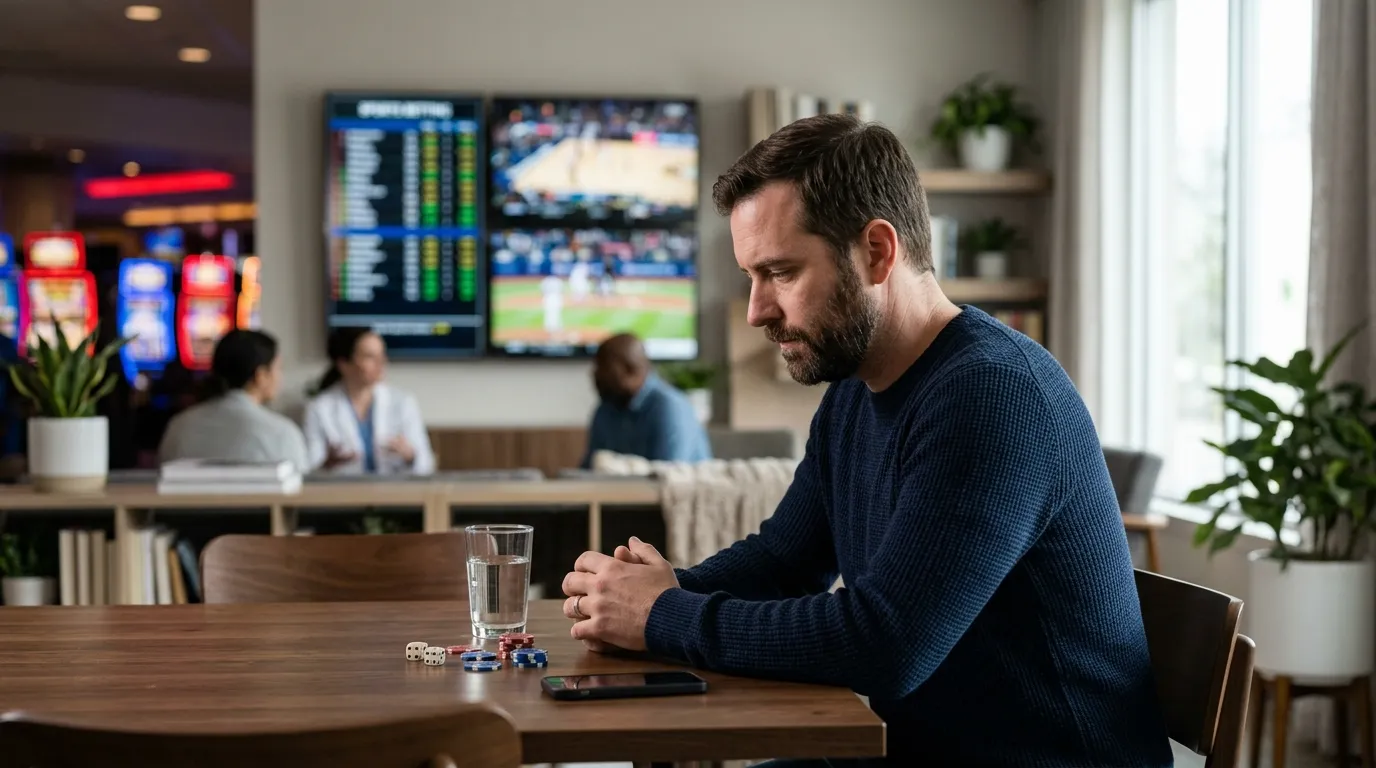
This article explains whether gambling is considered a mental disorder, how gambling disorder is diagnosed, and what separates casual gambling from compulsive behavior. It also explores symptoms, causes, risks, treatment options, and when to seek professional support.
Is Gambling a Mental Disorder?
For many people, gambling is occasional entertainment — a sports bet with friends, a casino trip on vacation, or a few dollars spent on lottery tickets. But for others, gambling becomes difficult to control. It starts affecting finances, relationships, mental health, and daily life.
That raises an important question: is gambling a mental disorder?
The short answer is yes. Gambling disorder is recognized as a legitimate mental health condition by leading medical and psychiatric organizations. It is not simply a lack of willpower or poor decision-making. Compulsive gambling changes the way the brain responds to risk, reward, and impulse control, often creating patterns that resemble substance addiction.
Understanding gambling disorder matters because the consequences can be serious — emotionally, financially, and psychologically. The good news is that treatment works, and recovery is possible with the right support.
What Is Gambling Disorder?
Gambling disorder is a behavioral addiction characterized by persistent and recurring gambling behavior that causes significant distress or impairment.
The condition is officially recognized in the Diagnostic and Statistical Manual of Mental Disorders (DSM-5), published by the American Psychiatric Association. It is classified alongside substance-related and addictive disorders because of how closely it mirrors addiction patterns seen with drugs or alcohol.
A person with gambling disorder may continue gambling even when it leads to:
- Financial losses
- Relationship problems
- Work or school issues
- Anxiety or depression
- Debt or legal trouble
- Emotional distress
One of the defining characteristics is the inability to stop despite harmful consequences.
For a deeper look at warning signs, diagnosis, and recovery options, read this guide on the symptoms and treatment of gambling disorder.

Why Gambling Is Considered a Mental Disorder
For years, compulsive gambling was often viewed as a moral failing or a self-control issue. Modern research paints a very different picture.
According to the American Psychiatric Association, gambling disorder is classified as a behavioral addiction because of its impact on the brain’s reward system and impulse control.
Gambling disorder affects the brain’s reward system in ways similar to substance addiction. Activities like betting or winning can trigger dopamine release, reinforcing the behavior and making it harder to stop over time.
Researchers have also found links between gambling disorder and:
- Impulsivity
- Compulsive behavior
- Anxiety disorders
- Depression
- Substance use disorders
- Trauma-related conditions
The recognition of gambling disorder as a mental health condition reflects growing evidence that it involves neurological, psychological, and behavioral factors — not just personal choice.
Occasional Gambling vs. Gambling Disorder
Not everyone who gambles has a mental disorder.
Many adults gamble recreationally without major consequences. The difference lies in the level of control and the impact on daily life.
Recreational Gambling
A person who gambles recreationally typically:
- Sets limits
- Can stop without distress
- Does not chase losses
- Treats gambling as entertainment
- Maintains healthy finances and relationships
Problem Gambling
Problem gambling exists on a spectrum. Someone may begin experiencing:
- Increased time spent gambling
- Difficulty cutting back
- Financial strain
- Emotional dependence on gambling
Gambling Disorder
At this stage, gambling becomes persistent, compulsive, and disruptive. The behavior continues despite negative outcomes and failed attempts to stop.

Common Signs of Gambling Disorder
Recognizing the warning signs early can make a significant difference.
Some symptoms are easy to spot. Others are more subtle and may develop gradually over time.
Emotional and Behavioral Signs
People with gambling disorder may:
- Constantly think about gambling
- Feel restless or irritable when trying to stop
- Lie about gambling habits
- Gamble to escape stress or emotional pain
- Chase losses by betting more money
- Hide financial problems
- Borrow or steal money to gamble
- Neglect responsibilities or relationships
Financial Signs
Financial issues are often one of the earliest red flags. Warning signs may include:
- Unexplained debt
- Frequent loans or cash advances
- Missed bills
- Empty savings accounts
- Secretive spending
- Selling possessions to fund gambling
Mental Health Symptoms
Gambling disorder frequently overlaps with mental health challenges such as:
- Anxiety
- Depression
- Mood swings
- Shame or guilt
- Sleep problems
- Suicidal thoughts in severe cases
This overlap is one reason professional treatment is so important. Addressing only the financial side rarely solves the underlying issue.
What Causes Gambling Disorder?
There is no single cause of gambling disorder. Instead, it usually develops through a combination of biological, psychological, environmental, and social factors.
Brain Chemistry and Reward Systems
Gambling activates the brain’s reward circuitry. Wins — and even near misses — can reinforce behavior through dopamine release.
Over time, some individuals begin craving the emotional high associated with gambling, even when losses outweigh rewards.
Genetics and Family History
Research suggests that a family history of addiction or impulse-control disorders may increase vulnerability.
People with relatives who struggle with substance abuse or compulsive behaviors may face a higher risk of developing gambling problems themselves.
Mental Health Conditions
Many individuals with gambling disorder also experience:
- Depression
- Anxiety
- ADHD
- Bipolar disorder
- Substance use disorders
In some cases, gambling becomes a coping mechanism for emotional distress or unresolved trauma.
Environmental Factors
Easy access to gambling can increase risk, especially with:
- Online betting apps
- Sports gambling platforms
- Casinos
- Social pressure
- Advertising exposure
The rise of mobile gambling has made betting more accessible than ever, which can make compulsive behavior harder to recognize and control.

How Gambling Disorder Is Diagnosed
Mental health professionals diagnose gambling disorder using criteria outlined in the DSM-5.
Diagnosis typically involves evaluating patterns such as:
- Increasing amounts of money gambled
- Failed attempts to stop
- Obsessive thoughts about gambling
- Gambling during emotional distress
- Lying about gambling activity
- Risking relationships or career opportunities
- Depending on others for financial rescue
The severity may be categorized as mild, moderate, or severe depending on how many criteria are met.
A formal diagnosis is important because it helps guide treatment and identifies co-occurring mental health concerns that may also need support.
Is Gambling Addiction Similar to Drug Addiction?
In many ways, yes.
Although gambling does not involve ingesting a substance, it activates many of the same brain mechanisms involved in addiction.
Both gambling addiction and substance addiction can involve:
- Cravings
- Tolerance
- Loss of control
- Withdrawal-like symptoms
- Relapse cycles
- Emotional dependence
Brain imaging studies have shown similarities in how reward pathways respond in people with gambling disorder and people with substance use disorders.
That is one reason gambling disorder is classified as an addictive disorder rather than simply a behavioral problem.
Many of the neurological and behavioral traits linked to gambling addiction also appear in other addictive disorders.
The Impact of Gambling Disorder on Daily Life
Compulsive gambling rarely affects just one area of life.
Financial Damage
Many individuals experience:
- Mounting debt
- Bankruptcy
- Damaged credit
- Loss of savings
- Employment issues
Financial stress can quickly intensify emotional distress and relationship conflict.
Relationship Strain
Loved ones may struggle with:
- Broken trust
- Secrecy
- Emotional withdrawal
- Financial instability
- Communication breakdowns
Family members are often deeply affected by the consequences of gambling disorder.
Mental and Physical Health
Chronic stress related to gambling can contribute to:
- Anxiety
- Depression
- Panic attacks
- Sleep disruption
- High blood pressure
- Substance misuse
Some people also experience severe hopelessness or suicidal thinking, particularly when debt and shame become overwhelming.
Can Gambling Disorder Be Treated?
Yes. Gambling disorder is treatable, and many people recover successfully with professional support.
Treatment often focuses on both the gambling behavior itself and the emotional or psychological factors connected to it.
Effective Treatment Options for Gambling Disorder
Cognitive Behavioral Therapy (CBT)
CBT is one of the most widely used treatments for gambling disorder.
It helps individuals:
- Identify harmful thought patterns
- Manage urges and triggers
- Develop healthier coping strategies
- Reduce compulsive behavior
Support Groups
Peer support programs can provide accountability, structure, and encouragement.
Groups such as Gamblers Anonymous follow a recovery-focused model similar to other addiction support programs.
Family Therapy
Because gambling often impacts relationships, involving family members in treatment can help rebuild trust and improve communication.
Medication
In some cases, medications may help manage:
- Depression
- Anxiety
- Impulsivity
- Co-occurring mental health conditions
Medication is usually considered part of a broader treatment plan rather than a standalone solution.
Lifestyle and Behavioral Changes
Recovery may also involve:
- Financial safeguards
- Limiting access to gambling platforms
- Stress management techniques
- Building healthier routines
- Addressing underlying emotional triggers
When Should Someone Seek Help?
It is a good idea to seek help if gambling:
- Feels difficult to control
- Causes financial stress
- Creates conflict in relationships
- Affects work or school
- Leads to secrecy or guilt
- Becomes a way to cope emotionally
Many people wait until the consequences become severe before reaching out. Early intervention can prevent deeper financial and emotional harm.
Seeking treatment is not a sign of weakness. Gambling disorder is a recognized mental health condition, and support is available.
Why Early Treatment Matters
Like many addictive behaviors, gambling problems often worsen over time if left untreated.
Early treatment can:
- Reduce financial damage
- Improve emotional stability
- Restore relationships
- Address co-occurring mental health conditions
- Lower relapse risk
The earlier someone receives support, the easier it may be to interrupt harmful patterns before they become deeply entrenched.
Final Thoughts
So, is gambling a mental disorder?
Yes. Gambling disorder is a medically recognized behavioral addiction that can significantly affect mental health, finances, relationships, and overall well-being. It is not simply a matter of poor discipline or bad habits.
Understanding the signs of gambling disorder is the first step toward recognizing when gambling has crossed the line from entertainment into something more serious. With proper treatment and support, recovery is possible, and many people regain control of their lives.
FAQs
Is gambling addiction officially recognized as a mental illness?
Yes. Gambling disorder is officially recognized by the American Psychiatric Association and classified as an addictive disorder in the DSM-5.
What is the difference between problem gambling and gambling disorder?
Problem gambling refers to gambling behavior that causes some negative consequences. Gambling disorder is more severe and involves persistent, compulsive behavior that significantly disrupts daily life.
Can gambling disorder go away on its own?
Some people reduce gambling without formal treatment, but many benefit from professional support. Without intervention, compulsive gambling often worsens over time.
Is online gambling more addictive?
Online gambling can increase addiction risk because it is highly accessible, fast-paced, and available around the clock through phones and computers.
What are the first warning signs of gambling addiction?
Common early signs include chasing losses, hiding gambling activity, borrowing money, obsessing over bets, and struggling to stop gambling.
Can therapy really help gambling addiction?
Yes. Treatments like cognitive behavioral therapy (CBT), support groups, and counseling have helped many individuals manage gambling disorder and maintain recovery.